How to Prepare for the Homocysteine Test: Rules for Getting Tested
Homocysteine is a marker of methionine metabolism, B vitamins and vascular risk. At the same time, it is one of the tests most sensitive to sampling errors: the result can rise simply because the tube stood on the table for a long time. The editorial team explains how to prepare so that the figure on the report is reliable.
What homocysteine is and why it is measured
Homocysteine is a sulfur-containing amino acid formed in the body during the metabolism of methionine. It does not come from food in a ready-made form and is usually quickly converted: either back into methionine (with the participation of folate and vitamin B12) or into cysteine (with the participation of vitamin B6).
When these pathways do not work well enough, homocysteine accumulates in the blood. An elevated level is associated with endothelial dysfunction and a higher risk of cardiovascular events, as shown, in particular, by the meta-analysis of the Homocysteine Studies Collaboration. At the same time it is a sensitive functional marker of B12 and folate deficiency.
For athletes the test is of interest for several reasons: a high-protein diet increases methionine intake, vegetarian diets raise the risk of B12 deficiency, and some medications and alcohol affect folate metabolism. However, homocysteine itself is extremely sensitive to blood-sampling conditions.
It is no coincidence that the expert position of Refsum and co-authors, published in Clinical Chemistry in 2004, devoted a separate section to pre-analytical errors. Improper handling of the tube can "add" substantial percentages to the result, and no laboratory precision will correct this.
Why the pre-analytical phase is decisive here
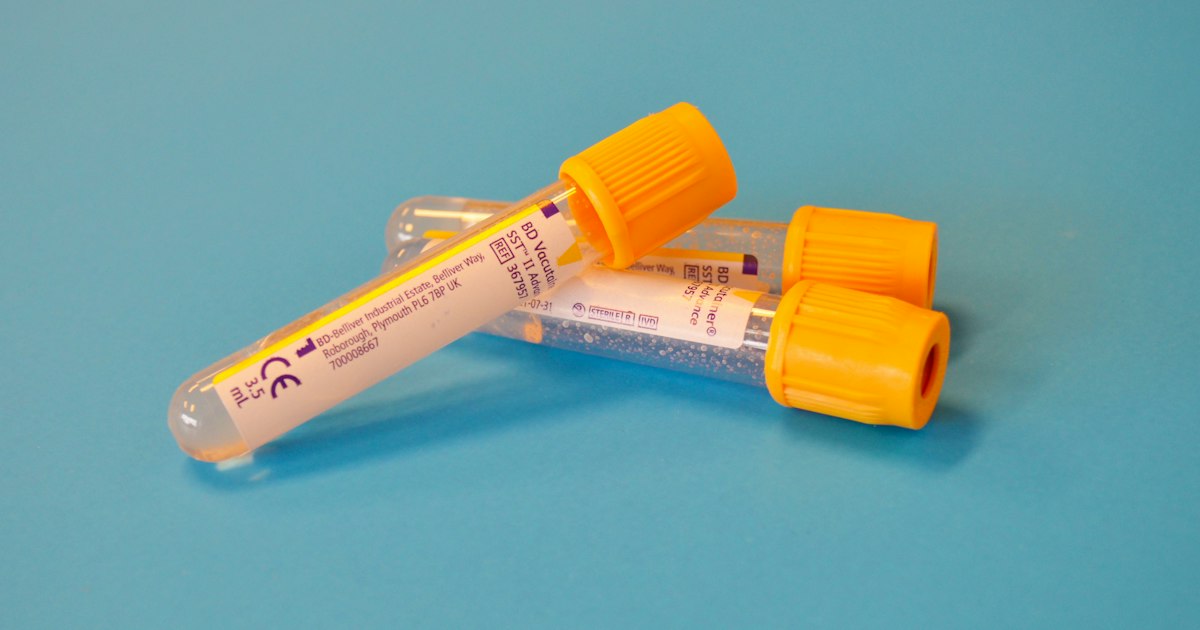
The main source of error is red blood cells. As long as the blood remains in the tube uncentrifuged, the cells continue to metabolize methionine and release homocysteine into the plasma. At room temperature the increase can be about 10% per hour, so a sample that has lain on the table for half a day will give an inflated value.
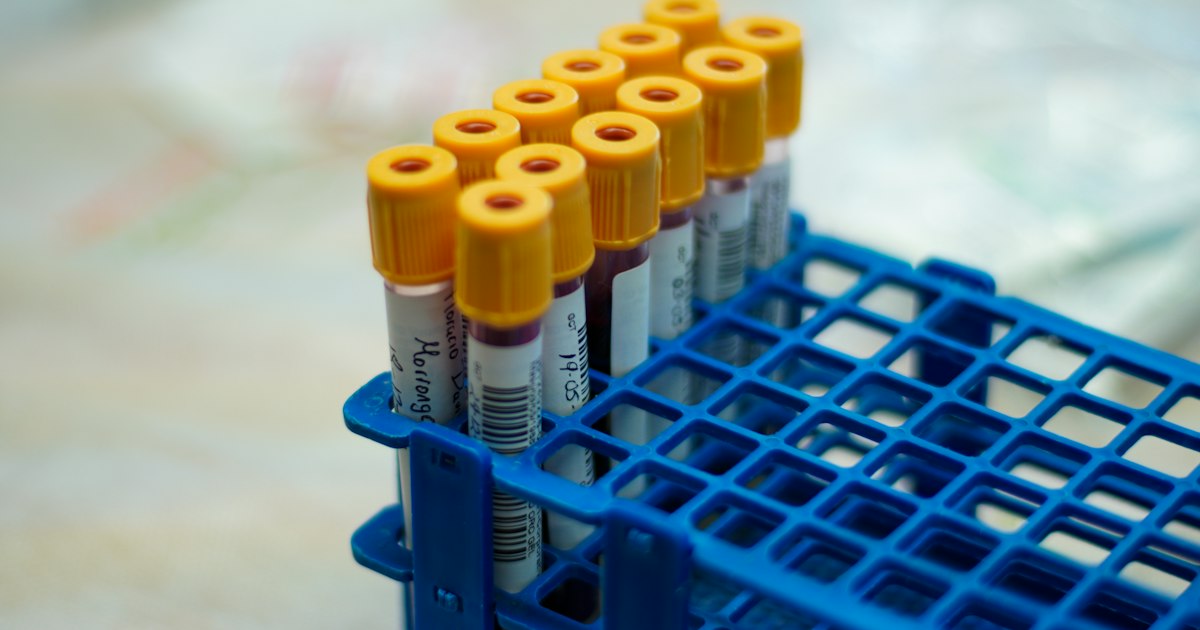
That is why the standard is as follows: blood is drawn into a tube with an anticoagulant (most often EDTA), immediately placed on ice or in a refrigerator and centrifuged as quickly as possible — preferably within an hour. After the plasma is separated, homocysteine is stable.
For the patient this means a practical piece of advice: get tested at a laboratory that processes samples on site, rather than one that merely sends them by courier without refrigeration. Do not hesitate to ask the administrator how the sample is processed.
The second source of error is food. A protein meal, especially one rich in methionine, can moderately raise homocysteine for several hours. That is why the test is taken fasting.

Preparation rules: step by step
Below is an algorithm that the editorial team compiled based on laboratory recommendations. It will help you obtain a result that reflects your true metabolic state.
- Fasting for 8–12 hours.Dinner the night before should be light, without a large portion of meat, eggs or a protein shake.
- Supplements.If the goal is to assess baseline status, the doctor may ask you not to take multivitamins and B vitamins on the day of the test. Do not cancel prescribed treatment on your own.
- Alcohol and coffee.Give up alcohol 2–3 days beforehand; do not drink coffee in the morning. High coffee consumption has been associated with higher homocysteine in studies.
- Smoking.Do not smoke for at least an hour before the draw.
- Training.Avoid exhausting loads for 24–48 hours; prolonged intense work can temporarily change the marker.
- Body position.Sit for 10–15 minutes before the draw; a prolonged lying or standing position slightly changes the concentration of plasma proteins.
The intensity of the preceding workout is a question athletes often ignore. The study data are contradictory: some works show a short-term rise in homocysteine after prolonged loads, others do not. A simple way to avoid doubt is a rest day before the test.
Women should remember that pregnancy lowers homocysteine, and combined oral contraceptives can affect the metabolism of B vitamins. This should be reported to the doctor.
If the test is repeated to monitor treatment effectiveness, the conditions must be identical: the same laboratory, the same time of day, the same eating pattern the day before.
What affects the result besides preparation
In addition to the pre-analytical phase, homocysteine is affected by persistent factors that the doctor takes into account during interpretation. It is useful to know them in advance in order to report them.
| Factor | Direction of effect | Comment |
|---|---|---|
| Deficiency of B12, folate, B6 | ↑ | The most common correctable cause |
| Reduced kidney function | ↑ | Homocysteine is excreted by the kidneys |
| Metformin, proton pump inhibitors | ↑ (indirectly) | Through reduced B12 absorption |
| Methotrexate, some antiepileptic drugs | ↑ | Antagonism to folate |
| Hypothyroidism | ↑ | Normalizes with treatment |
| MTHFR gene variants | ↑ with low folate | Significance decreases with adequate folate status |
| Age, male sex | ↑ | Physiological differences |
The approximate reference range for fasting adults in most laboratories is roughly 5–15 µmol/L. Values above 15 µmol/L are usually described as hyperhomocysteinemia, but the specific limits depend on the method and laboratory.
It is important not to confuse cause and marker. Large randomized trials with B vitamins convincingly lowered homocysteine but did not show an unambiguous reduction in heart attacks. Therefore a high value is primarily a reason to look for a vitamin deficiency or a kidney problem, not to "treat the number" on your own.
The result should be considered together with the levels of B12, folate, creatinine and the complete blood count.
Editorial conclusions
Homocysteine is an informative but "capricious" test. Its result depends, more than most markers, on how quickly the blood was cooled and centrifuged.
Take the test fasting, after a light dinner without excess protein, without coffee, alcohol or a heavy workout the day before. Choose a laboratory that processes samples on site.
Interpret the value you obtain together with your doctor and in the context of B12, folate and kidney function.
We also recommend reading our articles on the vitamin B12 test, on folate, and on how to prepare for the lipoprotein(a) test.
References
- Refsum H, Smith AD, Ueland PM, et al. Facts and recommendations about total homocysteine determinations: an expert opinion. Clin Chem. 2004;50(1):3–32.
- Homocysteine Studies Collaboration. Homocysteine and risk of ischemic heart disease and stroke: a meta-analysis. JAMA. 2002;288(16):2015–2022.
- Selhub J. Homocysteine metabolism. Annu Rev Nutr. 1999;19:217–246.
- Stabler SP. Vitamin B12 deficiency. N Engl J Med. 2013;368(2):149–160.
- Simundic AM, Bölenius K, Cadamuro J, et al. Joint EFLM-COLABIOCLI Recommendation for venous blood sampling. Clin Chem Lab Med. 2018;56(12):2015–2038.
- Devalia V, Hamilton MS, Molloy AM; British Committee for Standards in Haematology. Guidelines for the diagnosis and treatment of cobalamin and folate disorders. Br J Haematol. 2014;166(4):496–513.
Andriy Melnyk
A strength-sports coach and author of programs for beginner and intermediate levels. Writes about training planning.